


Bishop Boyd Urges Fairness and Efficiency as Legal Year Opens

The Life, Times, and Legacy of the Rev. Canon Lamuel Wellington Been
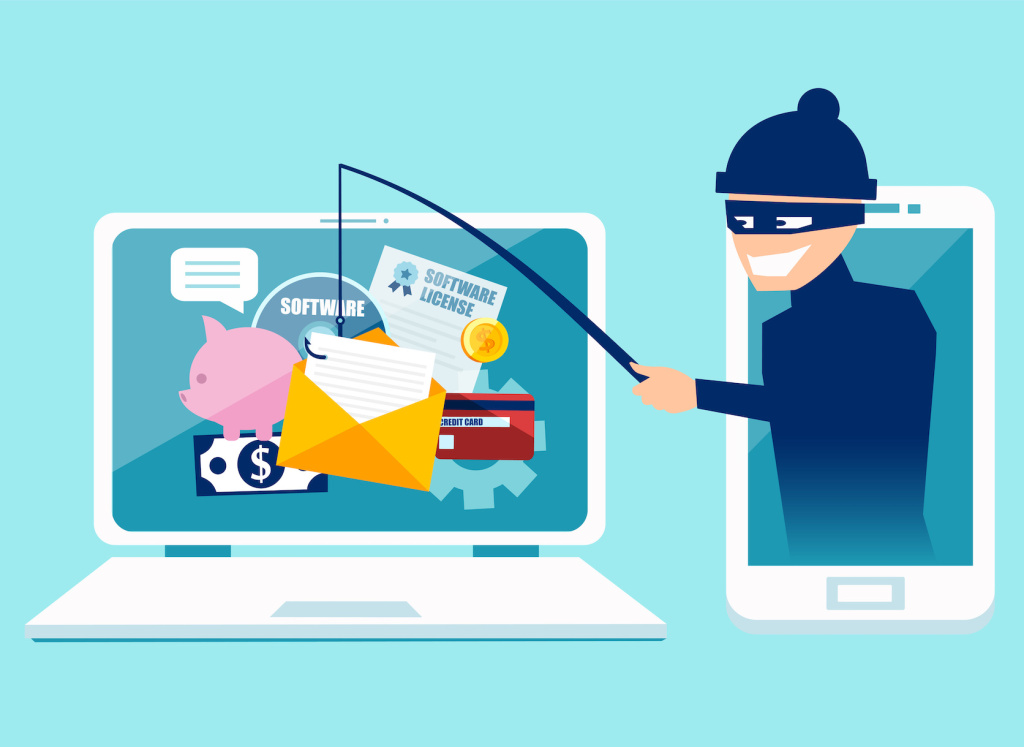
In recent days, we have become aware of fraudulent emails circulating more widely that appear to come from clergy and other trusted individuals. These messages are commonly known as phishing attempts.
What is a phishing email?
A phishing email is a message designed to look legitimate but is actually intended to trick you into clicking a link, opening an attachment, or sharing personal information.
These emails often:
-
Appear to come from someone you recognize
-
Ask you to review a document or sign something electronically
-
Create urgency by using phrases like “signature required,” “review needed,” or “time-sensitive”
-
Include links labeled “secure document” or “view file”
While they may look professional and convincing, these messages are not genuine.
Why are phishing emails dangerous?
When someone clicks on a malicious link or enters information on a fake website, it can:
-
Expose email passwords or personal information
-
Allow scammers to access your email account
-
Enable attackers to send similar messages to others using your name
This is why phishing emails often spread quickly and appear to come from trusted sources.
How to protect yourself
A few simple habits can significantly reduce risk:
-
Be cautious with unexpected emails, especially those asking you to click a link or open an attachment
-
Pause before acting — urgency is often a warning sign
-
Do not open attachments unless you were expecting them
-
When in doubt, verify by contacting the sender using a known phone number or a separate message
What to do if you think you may have been affected
If you believe you may have clicked on a suspicious link or entered information:
-
Stop interacting with the email immediately and delete it
-
Change your email password as soon as possible (and DO NOT reuse passwords)
-
Seek assistance from an IT professional or your email provider
-
Monitor your account for unusual activity
Acting quickly can limit potential harm.
As more of our lives move online, digital safety becomes a shared responsibility. Staying informed and cautious helps protect not only ourselves, but also our families, parishes, and wider communities.
We encourage everyone to remain alert, ask questions when unsure, and take simple steps to stay safe online.


